
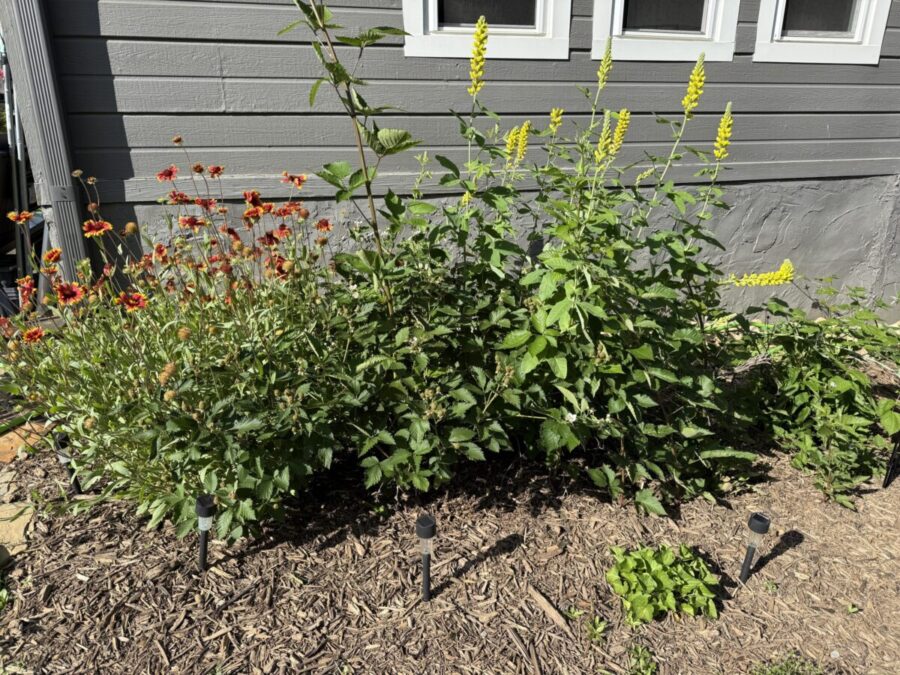
Most of us grew up with the idea that a “perfect” yard is a solid carpet of short green grass. We put a lot of work into it because we want our homes to look cared for and welcoming. It’s important to realize that the lawn itself is not necessarily the villain in our environmental story. Often, it’s simply the way we have been taught to manage it that causes unintended harm.
Many homeowners are surprised to learn how much of an impact standard maintenance has. We do these things because we want a beautiful space, but once we see the bigger picture, we can find a middle path that is easier on our wallets and much better for the local ecosystem.
The Hidden Costs of the Standard American Lawn
When we look at traditional lawn care, three main areas often go unnoticed until we see the data.
1. The Water Dilemma
According to the EPA, outdoor water use accounts for about 30 percent of the average home’s water consumption. In hotter regions, that number can jump to 60 percent. Even more concerning is that as much as half of the water used outdoors is lost to evaporation or runoff due to inefficient systems.
2. The Leaf Blowing Cycle
Leaf blowers are efficient for clearing paths, but they also clear away the building blocks of your soil. Blowing leaves away removes the natural mulch that provides nutrients and suppresses weeds. Research shows that leaf blowing can be physically destructive to the small animals and beneficial insects like fireflies and bees that rely on leaf litter for survival.
Rutgers Study on Leaving the Leaves
3. Plastic and Chemical Inputs
To replace the nutrients we blow away, we often buy bags of plastic wrapped mulch or chemically treated pine straw. This creates a cycle where we pay to remove natural fertilizer only to pay again to bring in synthetic or processed versions that often come with a plastic waste footprint.
Understanding “Quick Fix” Alternatives: Caution About Clover
As we look for ways to reduce maintenance, it’s tempting to reach for popular alternatives like Dutch White Clover (Trifolium repens). While clover is often marketed as an eco friendly miracle because it stays green and fixes nitrogen, it’s important to remember that it’s not native to the Southeast.
In many areas, non native clovers and other aggressive groundcovers can become invasive. They have a tendency of escaping the lawn and crowding out the diverse native flora that our local birds and pollinators rely on.
Replacing a grass monoculture with a non native clover monoculture still misses the goal of true ecosystem productivity. Choosing native species instead ensures that your yard provides the specific nutrients and habitat that local wildlife evolved to need.
A Pragmatic Approach to Lawns: The Middle Path
You do not need to tear up every inch of grass to make a difference. Instead, we can shift our mindset toward manageable reduction and smarter management.
- Shrink the Footprint: Identify areas where you don’t actually walk or play. These are perfect candidates to become native planting beds.
- Mow Smarter: Instead of a weekly “buzz cut,” try raising your mower blades. Taller grass shades the soil, which reduces water evaporation and helps the roots grow deeper.
- Embrace Soft Landings: Underneath trees where grass struggles anyway, let the leaves stay. This creates a “soft landing” for insects that fall from the canopy to pupatate in the soil.
- Functional Turf: Keep the lawn where it serves a purpose, like a path or a play area, and let the rest of the yard become a productive garden.
Sunny Lawn Alternatives
For those sunny spots you are ready to convert into habitat, these species are excellent choices for the Southeast.
| Species | Botanical Name | Ecosystem Benefit |
| Frogfruit | Phyla nodiflora | Critical host plant for Buckeye butterflies |
| Lyreleaf Sage | Salvia lyrata | Early spring nectar for bees and hummingbirds |
| Sunshine Mimosa | Mimosa strigillosa | Nitrogen fixing legume that heals the soil |
| Carolina Ponyfoot | Dichondra carolinensis | Drought tolerant groundcover with lush foliage |
Shady Lawn Alternatives
These plants thrive under the shade of our beautiful Southern oaks and maples, replacing patchy grass with lush life.
| Species | Botanical Name | Ecosystem Benefit |
| Pennsylvania Sedge | Carex pensylvanica | Soft texture that feeds ground birds |
| Texas Sedge | Carex texensis | Heat tolerant and great for beneficial insects |
| Green and Gold | Chrysogonum virginianum | Provides a beautiful yellow spring bloom |
| Common Blue Violet | Viola sororia | Primary host for Fritillary butterflies |
| Roundleaf Ragwort | Packera obovata | Important early season nectar source |
Evolving Lawn Management Practices
Making these changes isn’t about being perfect, it’s about making progress. By reducing the inputs and the size of your lawn, you create a space that is easier to manage and full of life. It’s a win for your weekend schedule and a huge win for the birds and butterflies in your neighborhood.
Do you have a specific corner of your yard that feels like a “problem area” where we could start planning a transition? Comment below and let’s sort it out together.