
In the modern gardening world, many homeowners are looking for a specific type of magic. They want the functional benefits of a living landscape without any of the perceived liabilities.
This leads to a series of paradoxical requests that sound a lot like ordering a cheeseburger without the cheese or the burger.
These requests are much more common than you would think, so don’t worry if you see yourself speaking through any of the requests below.
It’s a nuanced conversation, it’s all important stuff, and it’s a conversation that keeps evolving with time as you grow more connected with nature.
The Pollinator Paradox
The Request: “I want a vibrant pollinator garden, but please ensure there are no wasps or yellow jackets near the house.”
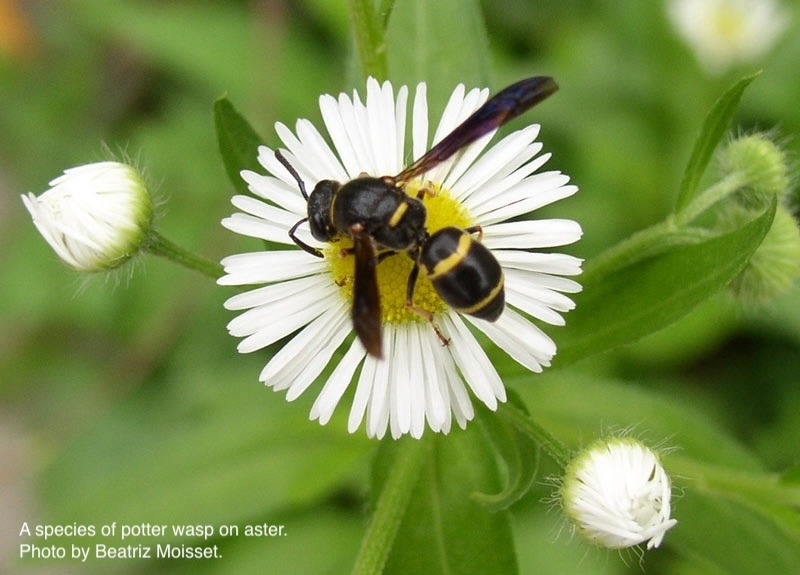
The Reality: Asking for a garden without wasps is like asking for a kitchen without a chef. Wasps are the unsung security guards of your yard. While bees get all the glory for pollination, wasps are vital pest controllers that hunt the caterpillars and aphids that would otherwise devour your prized plants.
Each species fills a vital role in the food web. The more you invite, the more balanced the web becomes.
A Deeper Look Inside The Web:
- Behavior: Most wasps are solitary and have zero interest in humans. They only sting when they feel their home is under direct threat.
- The Risk: Data from the CDC often shows that the vast majority of “bee stings” are actually attributed to yellow jackets scavenging for human food at picnics, not forager wasps minding their own business on a native flower.
- Benefits of Species Richness : By planting native species like Mountain Mint or Goldenrod, you are inviting beneficial insects that actually keep the aggressive species in check through competition.
And What About Snakes?
The Request: “I want deep rooted native grasses to stop my hill from washing away, but I need a guarantee that no snakes will move in.”
The Reality: If you build a buffet, someone will come to eat. Tall grasses create a perfect habitat for small rodents and insects. Snakes are simply the cleanup crew. If you have snakes, it means your ecosystem is working.
Snakes are the free, non toxic pest control that prevents your home from being overrun by rodents.
Statistically Speaking:
- Incidence: According to wildlife experts, you are statistically more likely to be struck by lightning than to die from a venomous snake bite in North America.
- The Tradeoff: Removing the “scary” predators often leads to an explosion of tick populations carried by the rodents that the snakes would have eaten.
Navigating the Middle Ground
We can be empathetic to the fear of stings or bites while remaining loyal to the earth. The key is not to exclude species, but to manage the human-nature interaction through smart design.
Here are a few suggestions on how you can manage concerns through smart design:
| The Concern | The Ecological Fix | The Human Safety Strategy |
| Wasps | Plant diverse natives to support predatory balance. | Place “high traffic” flowers further away from human traffic. |
| Snakes | Keep tall grasses for soil health and erosion. | Maintain a mowed “buffer strip” near walkways. |
| Bees | Provide nesting sites like bare soil or wood. | Avoid planting heavy nectar producers near doorways or too close to seating areas. |
Thoughts to Change the Narrative
Instead of viewing these animals as intruders, we should view them as neighbors and valuable community service providers. A wasp is a tiny winged pest control technician. A snake is a silent, hardworking, and tireless mouse trap.
When we frame it this way, the fear begins to transform into appreciation for a job well done.
Achieving a new level of understanding and balancing nature in reality takes time and thoughtfulness. For each small effort you can make towards a better balance, nature will thank you, and reward you.
We navigate this process by learning to accept our wild neighbors, learning their patterns and behaviors, and ultimately arriving at a more harmonious place where nature just seems to work when you allow it to exist in a pure form.
And you don’t even have to turn your entire porch into a jungle. You can have a tidy, “human centric” zone near the house and play areas, and a “wild centric” zone further out.
This provides the safety we crave and the habitat they need. This is achievable, even in small spaces.